
Sachiare comments English version
Thank you so much for coming to today’s release party for “Sachi Are,” the second album by tokumekibou, and the Otsuka MEETS Anniversary event. To mark this special release, the members have written some comments. Please feel free to read them whenever you like—during set changes, on your way home, or after you get home. We hope these comments will spark your interest in the album and help you appreciate it even more.
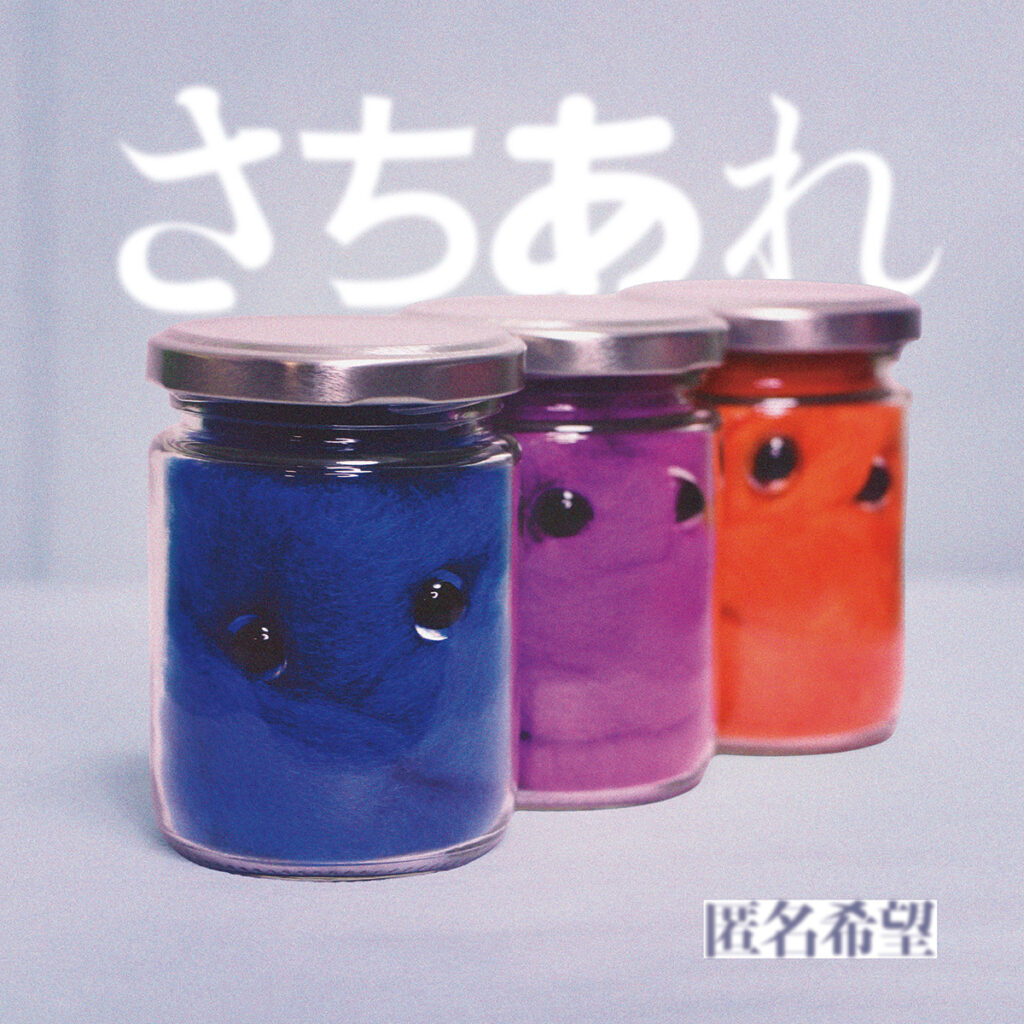
Sachi are – tokumeikibou
2026/6/5 Release
Sound Engineer: Yui Kimijima (Tsubame Studio)
Jacket Design: geeker-natsumi
Listen on Streaming: https://linkco.re/3BqFQ8pzThe Album as a Whole
It’s been 8 years since our last release.
A few of these songs had been around for a while, but most of them came together in a rush over the past year or two.
Keeping a band going for this long means going through all kinds of good and bad things, but making music is still just as fun as ever.
Around the COVID era, I got into yeoja-group (girl group) K-pop, starting with the Netflix BLACKPINK documentary. I wonder if that shows up anywhere in this album? Probably not.
(Guitars & Vocals geeker-natsumi)
There are fewer songs than on our last album, “NANORE-ONORE.” Overall it has a 90s kind of feel, but each song has a different flavor, which makes it a fun record. During recording, we changed the drum kit and guitar amp for almost every song, and I was over here getting excited by myself going, “Whoa, you’re changing that too?!” and “That sounded amazing!”
Whenever we were at Tsubame Studio I felt like a little kid — it was so exciting and fun.
(Bass DanCam)
Tokumeikibou has been going for a really, really long time in a pretty laid-back way, and since the members’ energy levels have stayed about as laid-back too, I figured there hadn’t been much change over the years. But writing this many songs at once this time, I noticed quite a few things that had actually shifted — though I can’t really point to anything specific.
Drum-wise, I used a hi-hat rigged with two crash cymbals on every track, used a china cymbal a lot instead of a crash, and tuned the snare in some pretty extreme ways on several songs. I don’t usually care much about gear, so recording this time was full of little discoveries that were fun to make.
(Drums Aya-Chang)
1. Jijou(Circumstances)
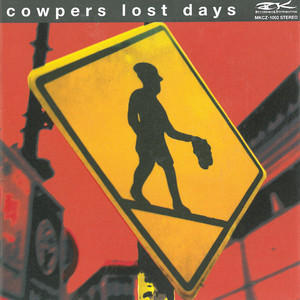
This song’s working title was “Lyrical Cowpers.”
Yes, as in COWPERS, the legendary Hokkaido emo band.
The reasoning being: it has that lyrical emo feel, and you can hear COWPERS’ influence in it.
I think we settled on the real title around the time we invited zArAme (the band fronted by Gendo-san of COWPERS) to a show we put on 8 years ago — the idea being that having “Lyrical Cowpers” sitting right there on the setlist for that particular show would’ve been way too awkward.
(geeker-natsumi)
The live recording version is on the Otsuka MEETS compilation album.
The way it builds to the final chorus and then settles into that calm ending — that’s the cool part.
(DanCam)
This is the only song here that we’d actually been playing for a few years already, and a live version is also on the Otsuka MEETS compilation.
At rehearsals and shows, the part where it drops down to just guitar at the end always feels really unstable, which gets me excited every time, but I feel like I didn’t mess it up too badly this time around when we recorded it.
Drum-wise, this is basically a song about gritting it out and powering through eighth notes with my right hand.
(Aya-Chang)
2. Doro (Mud)
The moment the main guitar riff came out, I had this half-real memory rush over me — “this is exactly what the bands we used to play shows with back in Hokkaido sounded like!” (Tokumeikibou is from Hokkaido, but we were actually a bit outside the generation and scene that’s known as “Hokkaido emo.” Honestly I didn’t even start listening to Hokkaido emo properly until after I moved to Tokyo.) That’s how it ended up with the working title “Hokkaido Emo.”
(geeker-natsumi)
Working title: “Hokkaido Emo.”
I haven’t actually listened to that much Hokkaido emo, but I just played the bass by feel, figuring it probably sounds something like this.
(DanCam)
Following “Jijou,” this is another one in our “scream it out, feel refreshed” series. I feel like there were a lot more songs like this back on “NANORE-ONORE,” so it kind of surprised me that this time there were only two.
geeker’s screams are honestly kind of unfair — we’ve been in a band together this whole time and I still think it’s cheating how good they make basically any song sound. This song leans on that unfair trick the whole way through.
The working title was “Hokkaido Emo,” but personally I’ve barely ever listened to music while consciously thinking “this is Hokkaido emo,” so I sometimes wonder if it’s okay for me to keep throwing that term around without really knowing what it means.
Writing and playing this song, I ended up using the already-fuzzy term “Hokkaido emo” in an even fuzzier way than usual, and it left me thinking — huh, life really is just a pile-up of vague exchanges, isn’t it. Next time we write a new song, I kind of want to suggest calling it “Vague.”
(Aya-Chang)
3. Seiketsu (Clean)
We play it pretty straightforwardly live, but during recording, Kimijima-san lent us some mystery effects pedal, and on the record it turned into this absolutely shredded fuzz tone.
About 10 years ago, Tokumeikibou used to play a lot of songs like this.
Back then our tagline was “shy-guy grunge.” These days? We’re grown-ups now, and I’m trying to stop hiding behind a word like “shy” to protect myself.
“Born in Hokkaido, raised on alternative” is the new tagline.
(geeker-natsumi)
A title that’s the polar opposite of “Mud.”
Early on it was a pretty slow-tempo song, but at some point someone said “let’s speed it up,” and it ended up turning into a faster track.
Also the guitar tone is nicely filthy. Not much “clean” about it.
(DanCam)
The working title was “Grunge,” but I kept thinking the finished song didn’t really turn out all that grunge. Then again, the recorded version came out filthy and gross in the best way, so maybe we can still get away with calling it grunge.
The way the chorus turns embarrassingly poppy feels so deeply “us,” even though it’s our own song.
It felt almost too straightforward, which was a little embarrassing, so partway through I tried sneaking in something like an odd time signature, which is how the phrase from 0:43 onward came about. Personally I wanted to keep that same phrase and push the meter changes even further for a few more bars, but I got vetoed, which made me sad.
(Aya-Chang)
4. Sasumata (Riot Pole)
This is a quietly solid bass-and-drums kind of song.
The catharsis of the chorus suddenly turning into a proper vocal-driven moment is the key thing here. The chord feel rides on something DanCam was playing on bass. The guitar just kind of went along with it.
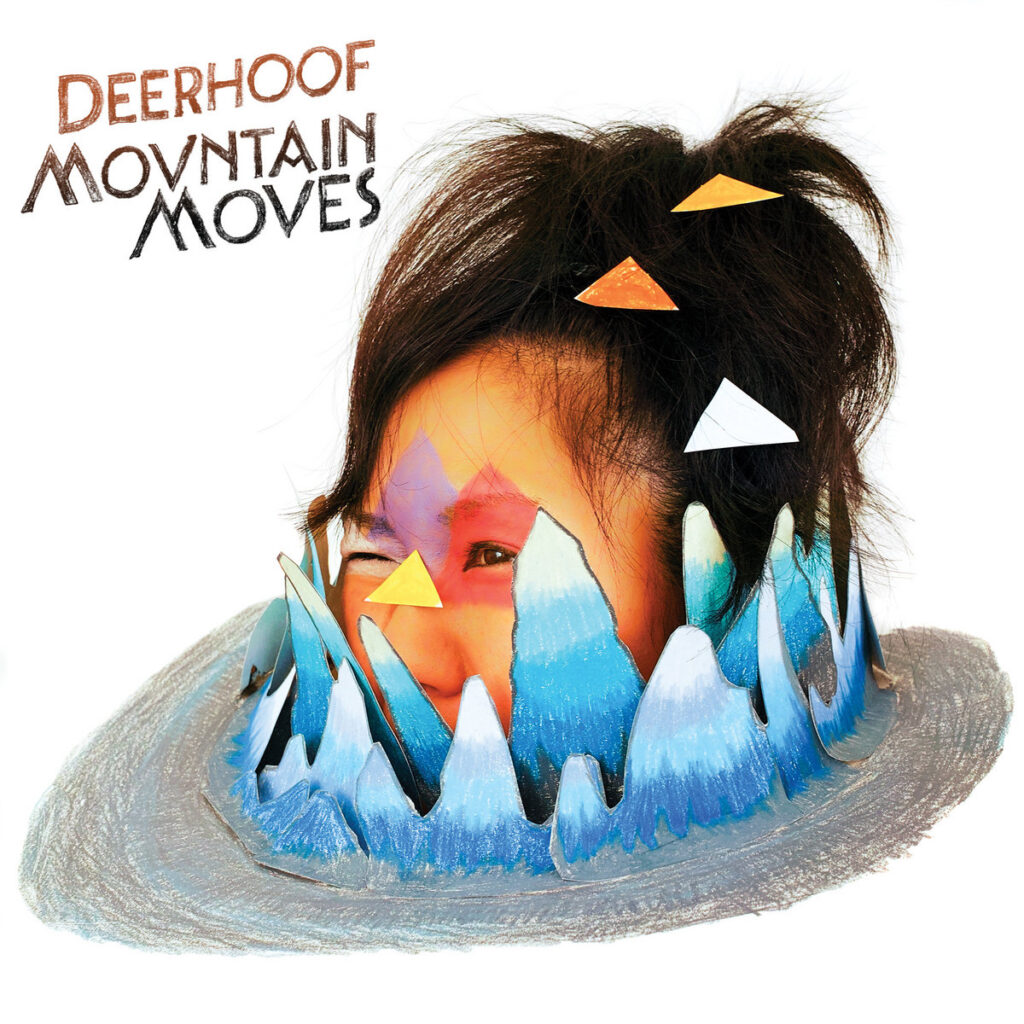
I believe the reference we were all listening to while making this was Deerhoof’s “Your Dystopic Creation Doesn’t Fear You.”
Listening back to it now, it doesn’t sound anything alike.
(geeker-natsumi)
If I remember right, this song came from me saying “I want to do something with that Deerhoof vibe,” playing it for the other two at the studio, and building from there.
The drums especially turned out great — I think I asked Aya-pan-sensei to do that thumping, pounding drum thing because it sounded so cool, and the rest of the song got built around that. Though my memory’s a bit fuzzy on the details…
And I’ve forgotten the name of that Deerhoof song with the cool drums.
(DanCam)
From a drums perspective, this is the song with the biggest gap between the live version and the recorded one. I thought it might be fun to do this poking, bouncy kind of rhythm, so that’s what I’m doing on it.
For recording, I set up two snares side by side — one rigged with snappy wires on a tom for that “poking” sound, borrowed from Tsubame Studio’s gear, and my usual everyday snare for everything else. I got so excited thinking, “this looks like something out of a drum magazine!” and then completely forgot to take a photo of it.
I guess that just proves that someone who doesn’t normally take photos can’t manage to take one even at the moment they really should.
The original inspiration was supposedly some tricky Deerhoof song, but somehow it turned into this very straightforward, brute-force kind of track. Being brute-force, it’s genuinely exhausting to play as the rhythm section.
As for the song’s name — I think DanCam mentioned using a “sasumata” (a pole-mounted restraint device) in some kind of suspicious-person response training at work, and the conversation went “well, let’s just call the song Sasumata then.” Though that might also be a memory I made up.
(Aya-Chang)
5. Paper Driver
The three of us made this one cracking up the whole time, saying things like “this is straight-up early Supercar!” and “we’re gonna be popular!” There is currently zero sign of us becoming popular.
Right now I’m in the middle of an all-out campaign to stop being a “paper driver” (someone who has a license but never drives). Since March I’ve been going to refresher driving lessons, and over Golden Week I rented a car and did a tour of three different Hard Off secondhand shops. The license I got back in the spring of my first year of university is, of course, gold-class (no violations).
(geeker-natsumi)
When we were writing it, all of us thought it sounded like something Supercar might have done.
But I’d like to think the part where the screaming kicks in partway through still makes it unmistakably Tokumeikibou, right?!
Also, the other two members besides me are both paper drivers.
(DanCam)
Working title: “Supercar.” Between the working title and the song’s actual content, this might be the most embarrassing one in the bunch. Early Tokumeikibou did a lot of songs in this kind of vein, so there’s a bit of nostalgia here too.
The part that drops into 5/4 partway through is, I think, a product of the timid pride and arrogant embarrassment that has been quietly nurtured in us by aging. But I do think the song’s better with that phrase in there, so maybe timid pride and arrogant embarrassment aren’t all bad sometimes.
In Tokumeikibou, DanCam is the only one of us who’s a halfway decent driver. geeker and I have both been paper drivers for over a decade now, holding licenses we never use, but lately geeker’s been going to driving lessons, which has started wounding my own timid pride.
(Aya-Chang)

6. Misekake (Pretense)
Both of the other two mentioned this too, but this song started out from us saying “let’s make something that sounds like Fugazi.”
It happens a lot that we set out saying “let’s make something like ●●” and end up landing somewhere completely different — but that’s part of the fun too.
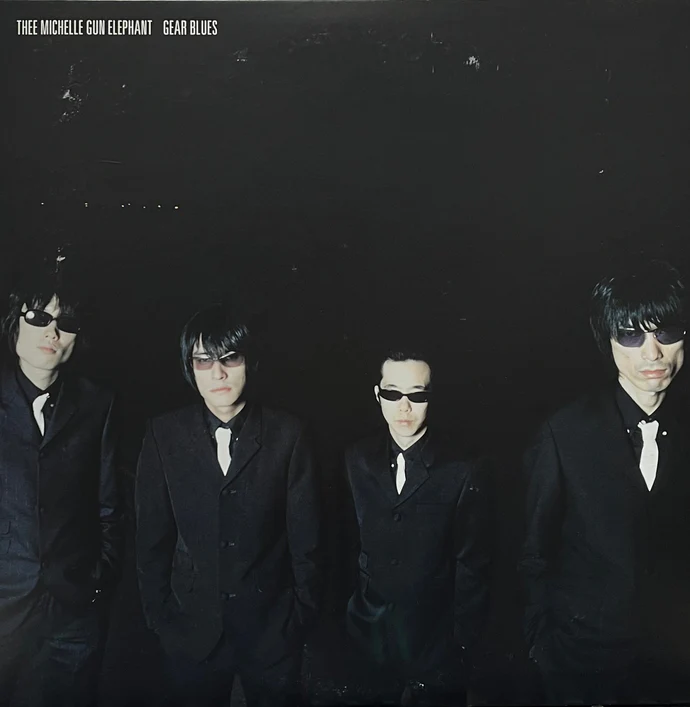
When the main arpeggio theme first came out, in my head it was the bass line from the intro of Michelle Gun Elephant’s “Danny Go.” When I told the others that, I just got a confused “…huh?” reaction, and listening back now, yeah, it sounds nothing like it.
(geeker-natsumi)
When we recorded it, Kimijima-san let us use some interesting effects pedal that happened to be lying around the studio, and I got really into using it on guitar.
(DanCam)
This feels like a type of song past Tokumeikibou hasn’t really done before. It was built under the working title “Fugazi,” with the firm intention of making something Fugazi-esque, and yet you can’t sense a trace of Fugazi in it anywhere.
I like the wistful mood at the start. Around 1:25 the song shifts mood pretty drastically, and at first I wasn’t sure that worked, but somehow it ended up clicking for me in the end, and now I like it. The part after that, where the guitar and bass intertwine over the straight eighth-note beat, really makes me feel like, yeah, this is a band — and I love that part a lot. I might just really love this whole song.
I’ve forgotten why it ended up being called “Pretense,” but I do like it regardless.
(Aya-Chang)
7. Harmonics
Fret harmonics (a technique where you lightly touch a string with one finger right over a specific fret and pick it for that distinctive “shhhwing” sound) and power chords in the chorus (chords played with just two or three fingers — this song only uses two). The guitar part is just those two things and nothing else; it’s stupidly simple.
I’d love for beginner guitarists to copy this one and think, “wait, it’s this easy?” It’s simpler than the Ramones. There’s no screaming either, so it should be easy to play along to.
No idea how hard the rhythm section parts are. The bass might be a little tricky, since you have to keep ringing out harmonics the whole way through.
(geeker-natsumi)
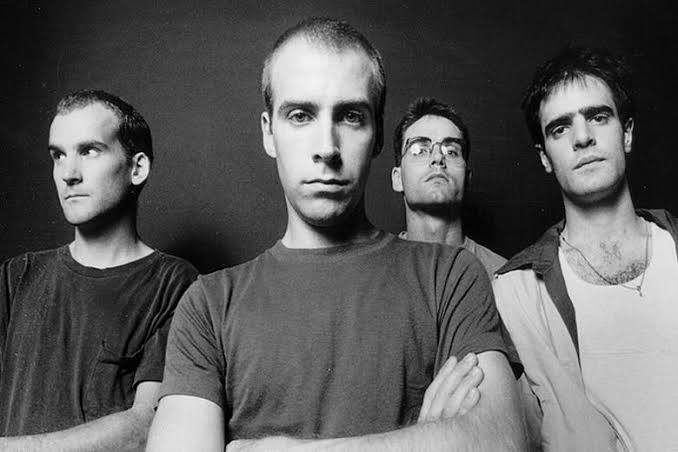
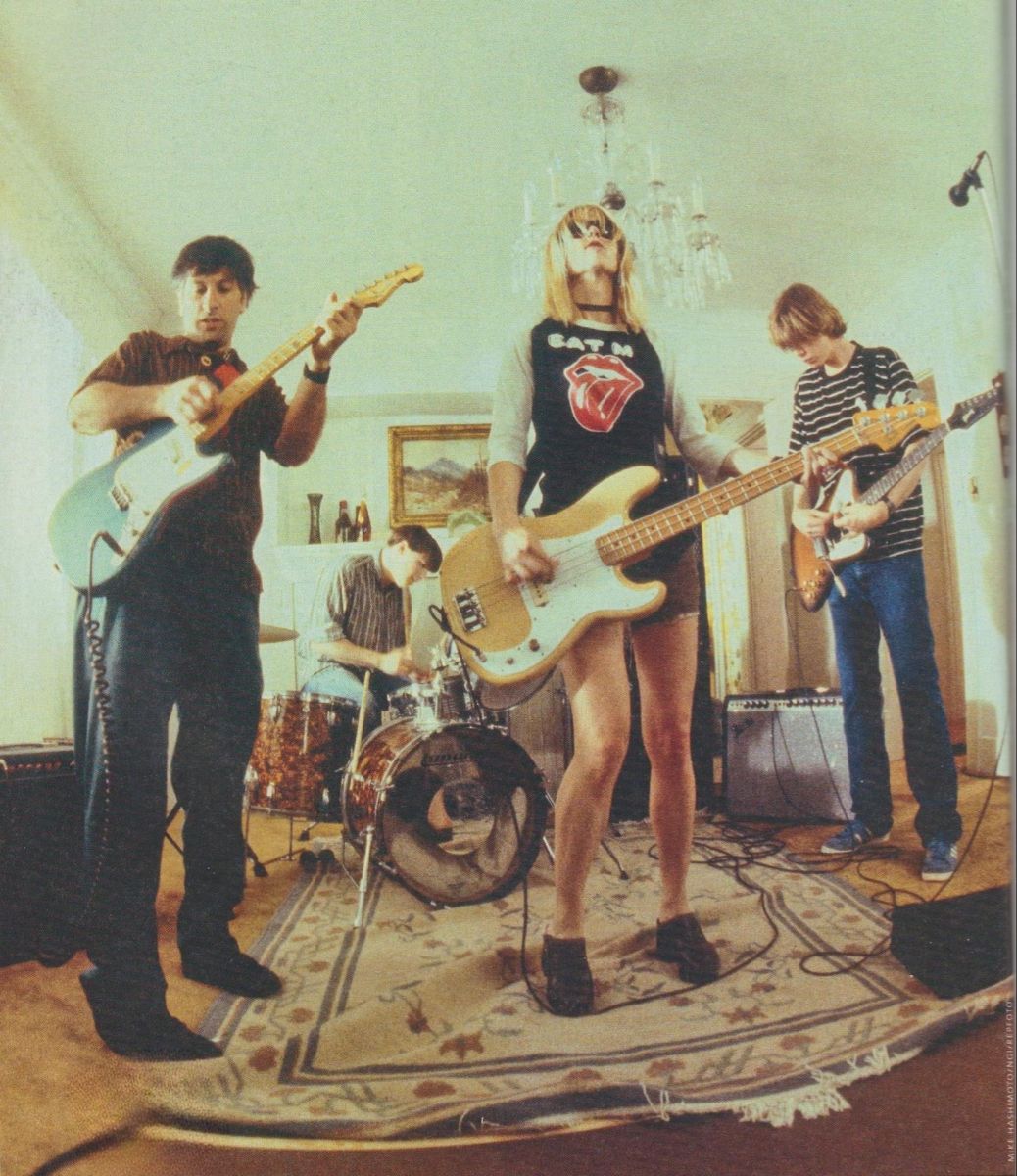
The bass is just ringing out harmonics. Playing it very plainly and steadily the whole time. It’s got that Sonic Youth, very-90s kind of feel.
(DanCam)
When Tokumeikibou writes songs, it usually goes: (1) someone plays a decent-sounding phrase, (2) everyone messes around playing along with that phrase, (3) once it starts sounding like an actual song, we lock in the structure.
Normally that (1)–(3) process takes about three or four studio sessions before it really comes together, but this song was basically finished in about an hour — probably the fastest we’ve ever written anything.
The opening bass phrase DanCam brought in covers step (1), but after just two or three rounds of everyone messing around with it, it already sounded like a finished song. Tokumeikibou doesn’t really have many minimal-feeling songs, but with this one I remember it coming together with basically zero overthinking.
“Harmonics” was just a placeholder title too, but the placeholder stuck as the final title, which feels fitting for a song where everything just clicked smoothly from start to finish.
(Aya-Chang)
8. Sunao (Honest)
The seed of this song was planted on a day I’ll never forget — the day we accidentally booked “Sound Studio Noah” when we meant to book “Dance Studio Noah.” How does that even happen?
Luckily our drummer, Aya-pan, happened to be out sick that day, so no real damage was done.
We plugged the bass, guitar, and an iPhone into the dance studio’s mixer, fooled around over a GarageBand drum machine beat, and that’s how the main riff came together.
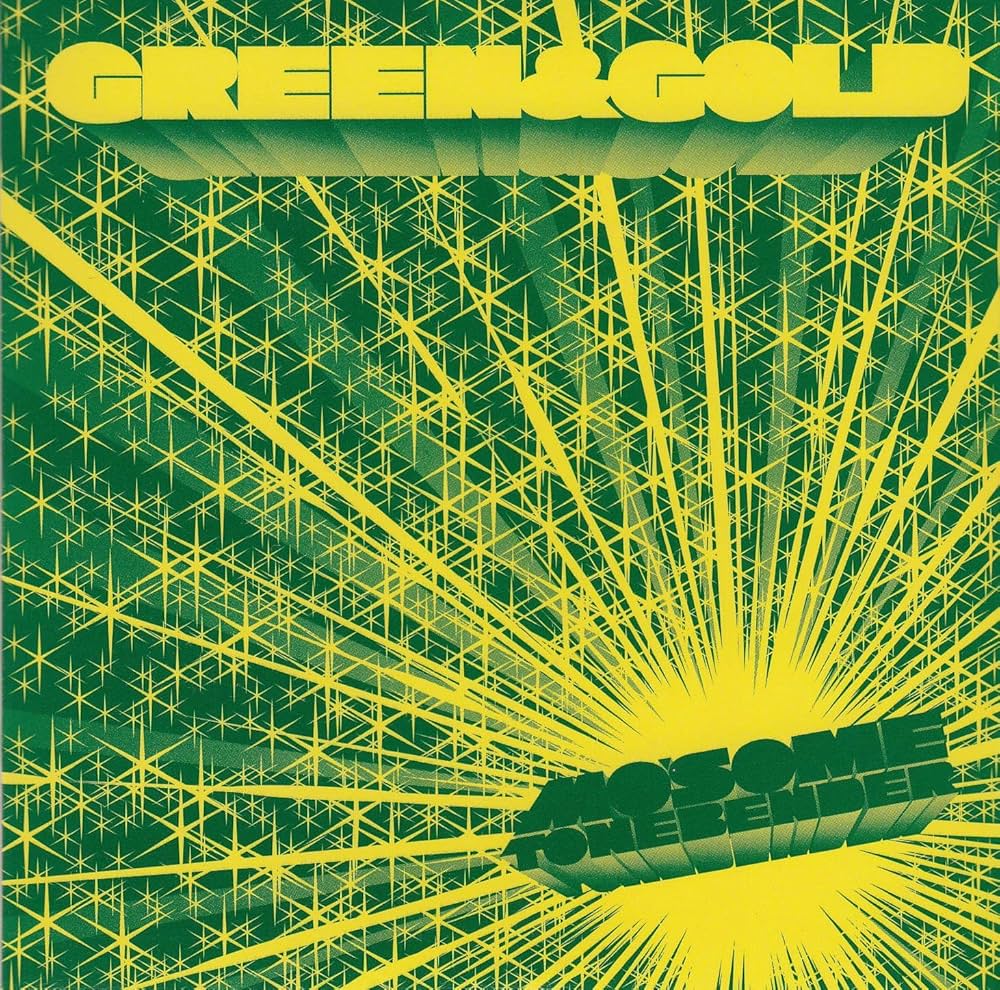
The image I had for the chorus was something in the neighborhood of MO’SOME TONEBENDER’s great song “GREEN & GOLD.”
(geeker-natsumi)
Kimijima-san made this one really interesting to work with.
It’s quite different live versus on record, in a good way.
To recreate the recorded version live, geeker would basically need to split into about four clones of himself.
(DanCam)
We were talking about wanting to make something tricky and a little weird, and somehow it turned into an extremely “honest,” straightforward-sounding song — hence the title.
Kimijima-san had comments like, “the riff is so memorable, so why doesn’t it come back after the intro?” and “overall it’s a bit too plain and lacks any real hook,” and a ton of his ideas ended up woven into the recorded version, to the point where he basically became an unofficial fourth arranger on this track.
geeker’s vocals aren’t exactly what you’d call “technically skilled,” but he’s surprisingly versatile and pulls out all kinds of weird voices, and on this song there are a ton of those weird voices, which I think works really well.
Overall, this turned into a completely different animal from the version we play live, and I’m glad we recorded it that way. That said, with this final mix, calling it “Honest” feels like a bit of a stretch.
(Aya-Chang)
9. Nigatsu (February)
While we were making it, I kept thinking “the melody on this one feels kind of Tommy february6,” so the title became “February.”
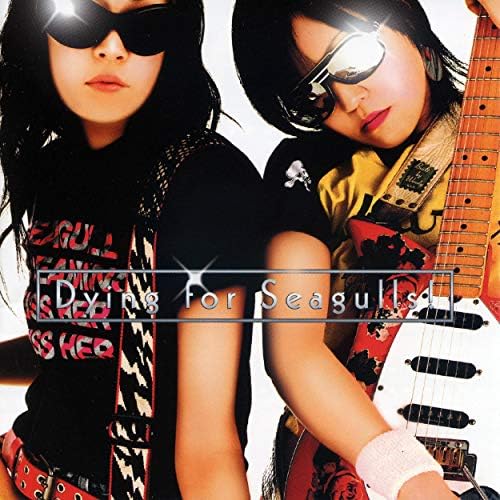
For the chant-like part near the end, I had the noise section of Seagull Screaming Kiss Her Kiss Her’s song “Red Talk” in mind. It ended up sounding completely different in the end, though.
Speaking of Seagull — way back when, when we sent in an application to play Otsuka MEETS, I listed Seagull as a favorite artist on our profile. Hasebe-san, the manager at MEETS, still brings that up and teases me about it whenever we get into old stories.
(geeker-natsumi)
Maybe the calmest song on the album?
The bass just keeps playing the same phrase over and over.
It’s the slowest-tempo song on the record, which actually makes it a bit harder to play, in a different way.
By the way, whenever Tokumeikibou has a calm song, I’m usually playing it with my fingers rather than a pick.
(DanCam)
Like “Jijou,” this is another one we’ve had around for a while, though not quite as long.
When we first wrote it, I remember us joking around, saying something like “wouldn’t it be funny if this played between songs, the guitar went completely wild, and then it ended and we moved on to the next song like nothing happened?” — and yet somehow, of all things, it ended up as the final track.
The vocals just ramble on, the guitar goes totally berserk, the bass is laying down a nice phrase too, but the drums are working hard at sounding as half-hearted as possible.
(Aya-Chang)

THANK YOU!!!
Thank you for reading this far. Please give a big round of applause to today’s guests: Wang-Wang, LOOLOWNINGEN & THE FAR EAST IDIOTS. Congratulations to Otsuka MEETS on its 18th anniversary. This is equivalent to “tokumeikibou.” Thank you to everyone who came to see “tokumeikibou,” and to those who didn’t as well. Let’s meet again at live houses or online!
We’ll be posting today’s setlist and the BGM playlist for stage changes on social media.
https://instagram.com/tokumeikibou_info
There’s also an album review by geeker that takes a different angle. It touches on the cover art and other aspects as well. If you’re interested, give it a read.